

Drainage Services in Snow Camp, NC
Standing water, soggy soil, and runoff near your foundation are more than outdoor inconveniences. They can damage landscaping, weaken walkways, create crawlspace moisture, and place constant pressure on your home’s foundation. At A Neat Home Waterproofing & Drainage Service, we provide drainage services in Snow Camp, NC, designed around the way water moves across your property. With 30 years of experience, an A+ BBB rating, and workmanship we stand behind, we create practical, long-lasting systems that help protect your home and keep outdoor areas more usable.
Drainage Problems Rarely Fix Themselves
Water naturally follows the lowest path available. When a yard is poorly graded, downspouts release water too close to the house, or compacted soil drains slowly, every heavy rain can send runoff toward the same vulnerable areas.
Over time, repeated saturation may lead to erosion, foundation seepage, muddy walkways, dying grass, and persistent moisture beneath the home. Our team identifies the cause before recommending a solution, helping you avoid temporary fixes that simply move water from one problem area to another. To see the full scope of what we offer, visit our services page.
Yard Drainage Solutions Designed for Your Property
Every property has different slopes, soil conditions, structures, and runoff patterns. A drainage system that works for one home may perform poorly on a neighboring lot with different elevations or landscaping.
Read More →
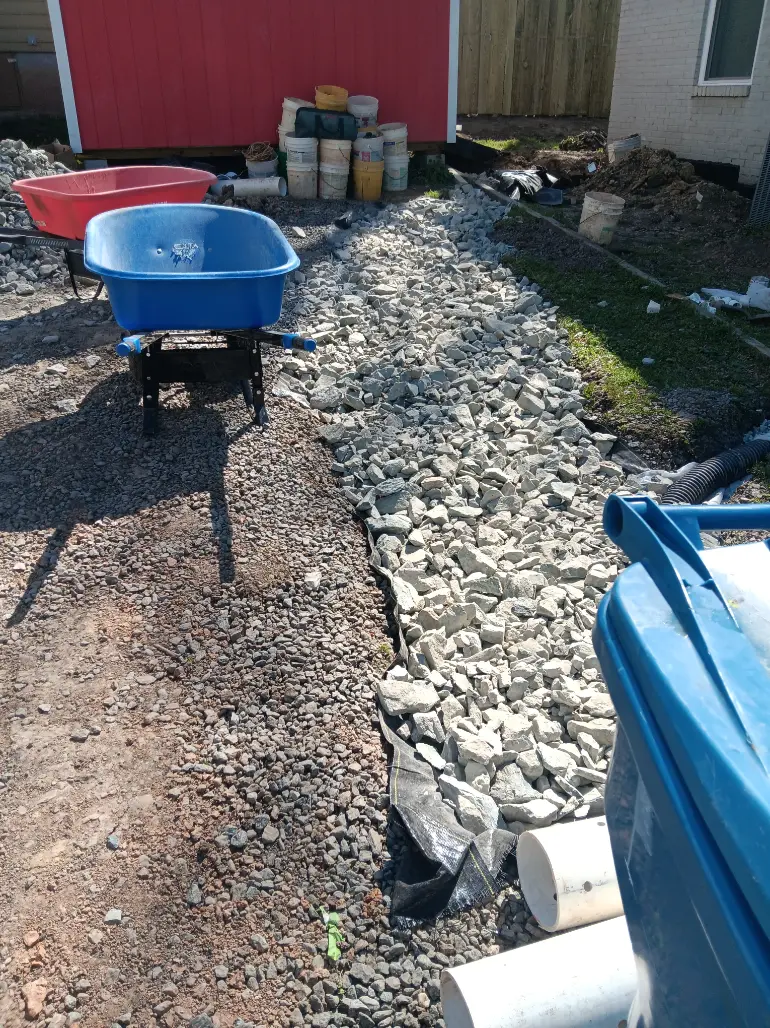
Our yard drainage solutions begin with a careful site evaluation. We look at low spots, water flow, roof runoff, soil conditions, foundation exposure, and nearby improvements before developing a customized plan. Our goal is to move water safely while preserving access, landscaping, and the long-term condition of the property. You can see examples of past projects in our project gallery.
Depending on the property, we may recommend:
- French drains
- Catch basins and surface drains
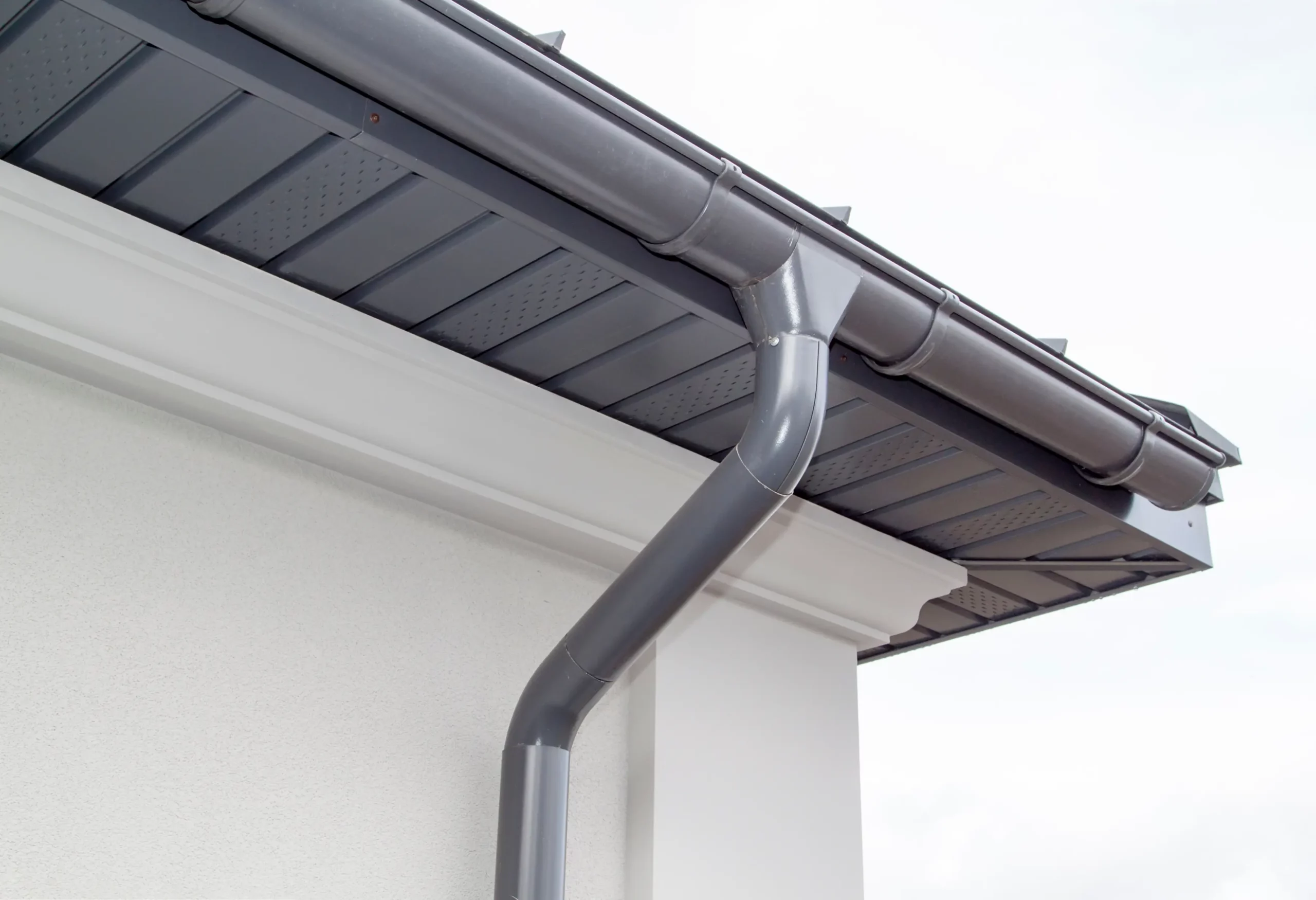
- Buried downspout extensions
- Swales and drainage channels
- Grading improvements
- Foundation drainage
- Crawlspace moisture control
- Runoff redirection
Drain Installation for Saturated Areas
When parts of your property stay soggy, collect standing water, or struggle to drain after heavy rain, the right drainage system can help move excess water away from problem areas. That’s why we install drainage solutions based on where the water is coming from, how it moves across or beneath the property, and the conditions of the surrounding soil. Plus, with more than three decades of hands-on experience, we can determine whether a French drain, surface drain, or interceptor drain is the right approach for your property and install a system designed to collect and redirect water effectively.
We plan each installation around the actual site conditions, drawing on more than three decades of hands-on experience described on our about us page. Proper design helps reduce standing water and prevents the drain from becoming clogged, overwhelmed, or ineffective after only a few seasons.
French Drains
French drains are designed primarily to collect water that has saturated the soil below the surface.
Read More →
A perforated pipe is installed within a gravel-filled trench, allowing subsurface water to enter the system and flow toward a suitable discharge point. This type of drain is particularly useful for soggy lawns, areas near retaining walls, and other locations where excess moisture is accumulating underground.
Surface Drains
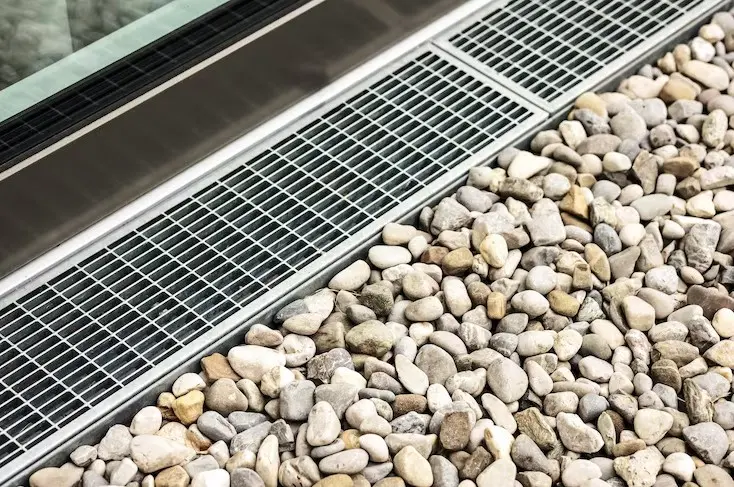
Unlike French drains, which collect water within saturated soil, surface drains capture water that is already pooling or flowing across the ground.
Read More →
Drain inlets are strategically placed in low spots or other problem areas so rainwater and runoff can enter the drainage system before significant standing water develops. Surface drains are commonly used in yards, landscaped areas, and other locations where visible water collects after rainfall.
Interceptor Drains
Interceptor drains are installed to intercept and redirect water as it moves toward a specific area of the property.
Read More →
Rather than focusing primarily on water already pooling at the surface or moisture that has settled into saturated soil, these drains are positioned across the path of incoming groundwater or runoff. They can be especially effective along slopes or uphill areas where water consistently travels toward a home, structure, or lower section of the property.
Neat Work and Honest Recommendations
Drainage projects involve excavation, soil, and heavy materials, but that does not mean your property should be left disorganized. Our team is known for being extremely neat and conscientious throughout every job.
We also explain what we find, why the problem is occurring, and which solution makes the most sense. We also don’t recommend unnecessary systems when a simpler improvement can provide dependable results. Our customers often then become our strongest source of referrals because they have seen the care we bring to their homes, as reflected in our customer reviews.
Homeowners choose us because we provide:
- More than 40 years of drainage and waterproofing experience
- An A+ BBB rating
- Customized property evaluations
- Grading and runoff correction
- Our business is insured
- Lifetime transferable solutions when applicable
- A service guarantee we stand behind
- Respectful, organized workmanship
- Clear communication from start to finish
Frequently Asked Questions
Common signs include standing water, soggy grass, soil erosion, muddy walkways, water near the foundation, damp crawlspaces, or recurring puddles after moderate rainfall.
A French drain collects water through a gravel-filled trench and perforated pipe, then redirects it toward a suitable outlet. Proper slope, materials, and placement are essential for reliable performance.
Yes. Extending downspout discharge away from the home can reduce soil saturation and water pressure near foundation walls. The system must release water at an appropriate location.
The timeline depends on the property size, soil, access, excavation needs, and type of system. We explain the expected schedule after evaluating the site.
Yes. We can inspect existing drains and identify concerns such as poor slope, clogs, damaged piping, or inadequate discharge locations before recommending repairs or replacement.
Stop Water Problems Before They Reach Your Home
Drainage issues can damage landscaping, foundations, basements, crawlspaces, and the long-term value of your property. At A Neat Home Waterproofing & Drainage Service provides French drain installation, grading, downspout drainage systems, runoff correction, and complete moisture solutions backed by 30 years of experience. We’re truly committed to honest recommendations, careful workmanship, and systems designed for dependable performance. So don’t wait: contact our team today to schedule a drainage evaluation, and take the first step toward a drier, better-protected home.
- Burlington, NC
- Chapel Hill, NC
- Durham, NC
- Graham, NC
- Greensboro, NC
- Raleigh, NC

Ready to Protect Your Home?
Let’s keep your home dry, safe, and worry-free.